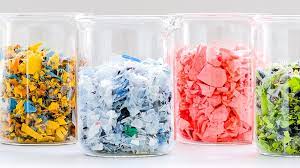
BASF, the world’s largest chemical producer, has announced that it will incorporate chemical recycling into its U.S. manufacturing operations. This innovative process will allow BASF to use plastic waste and end-of-life tires as raw materials for producing new plastics and other products.
What is chemical recycling?
Chemical recycling is a process that converts polymeric waste, such as plastics and rubber, into oil or gas products that can be used as feedstock for the chemical industry. Unlike mechanical recycling, which grinds and washes plastic waste to produce recycled plastic with lower quality and limited applications, chemical recycling breaks down the polymers into their building blocks, which can then be used to produce virgin-grade recycled plastic that can be used in demanding applications, such as food contact.
There are different types of chemical recycling technologies, such as pyrolysis, gasification, hydro-cracking, and depolymerization. BASF’s chemical recycling project, called ChemCycling, uses pyrolysis technology, which heats up the plastic waste without oxygen in a reactor. This produces a liquid product called pyrolysis oil, which can be fed into BASF’s integrated chemical production network (Verbund) and used to produce new products, especially plastics.
What are the benefits of chemical recycling?
Chemical recycling has several benefits for the environment, the economy, and the society. Some of these benefits are:
- Chemical recycling can divert plastic waste from landfills and incinerators, thereby reducing greenhouse gas emissions and harmful chemicals released into the environment.
- Chemical recycling can produce high-quality raw materials, thereby decreasing the demand for fossil fuels and other natural resources, and increasing the circularity of plastics.
- Chemical recycling can complement other plastic recycling options, such as mechanical, dissolution, and organic recycling, and can deal with complex plastic waste streams, such as films or laminates, that are not suitable for mechanical recycling.
- Chemical recycling can create new jobs and business opportunities, as the sector develops and expands.
What are the challenges and opportunities for chemical recycling?
Chemical recycling is still a developing technology that faces some challenges and opportunities. Some of these are:
- Regulatory framework: Chemical recycling needs a clear and consistent regulatory framework that recognizes it as a recycling process and provides incentives and support for its development and implementation.
- Public perception: Chemical recycling needs to raise awareness and acceptance among the public and the stakeholders about its benefits and potential, and to address any concerns or misconceptions about its safety and environmental impact.
- Market demand: Chemical recycling needs to create a stable and reliable market demand for its products, and to align with the sustainability goals and commitments of the customers and the consumers.
- Technological innovation: Chemical recycling needs to continue to innovate and improve its technology and processes, and to reduce its costs and environmental footprint.
BASF is committed to advancing chemical recycling and contributing to a more circular economy for plastics. By bringing chemical recycling to the U.S., BASF is demonstrating its leadership and vision in the field of sustainable solutions.
